
The old speed-to-lead playbook was simple: send a new inquiry to a loan officer and ask them to call immediately. That can work in some situations, but it also creates a poor experience when the consumer did not expect a call or when several lenders are contacting them at once.
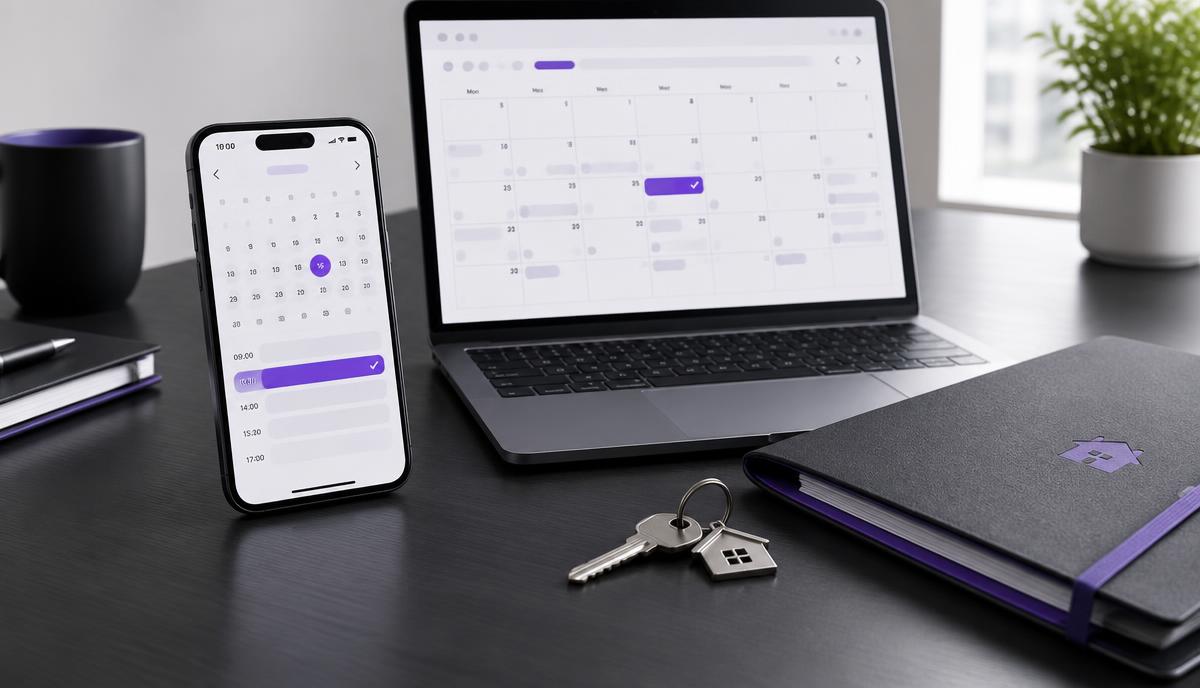
A direct calendar workflow offers a more respectful alternative. After a borrower completes a permission-based qualification journey, the system can show available consultation times. The borrower chooses a slot, receives a confirmation, and knows what will happen next. The loan officer enters the conversation with basic context instead of starting from a blank phone number.
The operational flow is straightforward:
- 1The borrower completes the approved intake questions.
- 2The system checks routing and eligibility rules that have been reviewed by the brokerage.
- 3Available calendar slots are displayed in the borrower’s time zone.
- 4The appointment is created for both parties.
- 5Confirmations and reminders are sent using compliant, permission-based channels.
- 6The CRM records the appointment, consent, status, and outcome.
Calendar booking is not a substitute for underwriting, and an appointment is not a promise of approval. It is simply a better handoff from marketing to a professional conversation.
For the production team, the benefit is focus. Instead of working a long list of uncertain inquiries, originators can plan around scheduled conversations and prepare for them. For the borrower, the benefit is control: they choose when to talk and can see who they are meeting.
The best teams still measure the basics: booking rate, show rate, reschedules, applications, funded loans, opt-outs, and consumer complaints. Use your own data to set benchmarks rather than copying generic performance claims.